
High Retention Doesn’t Mean High Engagement in Hospitals
Tony Delaney, CEO, Brownie Points
Earlier this year I met with the Hospital Chief Executive Officer (CEO) of a major hospital in the UAE. I was amazed when he told me that they were suffering from “high employee retention and low employee engagement,” which was giving him great concern. He explained that this was leading to absenteeism, lower productivity and reduced levels of patient care
Don’t be fooled. Just because healthcare professionals are staying doesn’t mean they’re thriving.
In many hospitals today, retention is being driven more by necessity than by genuine engagement.
Across Australia, the pressure on healthcare workers continues to intensify. Patient demand is rising, staffing shortages persist, and the emotional and physical toll of care delivery is significant. While turnover rates in some hospitals may appear stable, this can conceal a deeper issue; disengagement.
Much like in other sectors, many nurses, clinicians, and support staff are choosing to stay because the alternatives feel uncertain or equally demanding. But beneath the surface, fatigue, burnout, and lack of recognition are taking their toll. And when healthcare professionals disengage, the impact doesn’t stop with them—it flows directly into patient care.
The Hidden Cost of Disengagement in Hospitals
When a healthcare worker feels undervalued, the consequences extend far beyond morale.
Energy levels drop, empathy can diminish, and over time, the quality and consistency of care may be affected. In high-pressure environments, even small declines in engagement can have significant implications.
For patients, this matters deeply.
Patients and their families are highly sensitive to the behaviours, tone, and attentiveness of staff. A disengaged workforce can lead to reduced patient satisfaction, communication breakdowns, and increased complaints, despite clinical standards being maintained.
When experienced staff do leave, the cost is substantial. Recruitment challenges, onboarding time, reliance on agency staff, and disruption to team dynamics all impact both care delivery and operational efficiency. More importantly, hospitals lose institutional knowledge and trusted patient relationships, both critical in delivering high-quality care.
The Growing Challenges Beneath the Surface
In many hospitals, the challenge isn’t a lack of dedication, it’s a lack of consistent recognition.
Recognition often happens informally and inconsistently. Some teams or individuals are acknowledged regularly, while others, those quietly delivering reliable, high-quality care, go unnoticed. Over time, this imbalance contributes to disengagement.
Burnout in healthcare is also evolving. It’s no longer just about long shifts, it’s the cumulative emotional load. Staff are managing patient outcomes, family expectations, critical incidents, and administrative demands. When that effort goes unrecognised, it becomes significantly more draining.
There is also a shift in expectations. New generations entering healthcare expect more frequent feedback, visibility, and acknowledgment. Annual awards or occasional praise are no longer sufficient to sustain engagement in such demanding roles.
Compounding this is the nature of healthcare itself. Outcomes are not always immediate or visible. A patient’s recovery may take weeks or months, and some efforts go unseen entirely. Without recognition of the effort behind the care, motivation can decline, even when staff are making a meaningful difference every day.
Consistency across departments is another challenge. Different wards and teams often develop their own cultures, leaving some highly engaged while others struggle. This inconsistency directly impacts both staff experience and patient outcomes.
The Ripple Effect of Recognition
Recognition has a powerful multiplier effect in hospitals.
When a healthcare professional feels seen, valued, and appreciated, it changes how they show up. They bring more energy to their work, greater attentiveness to patients, and stronger collaboration with colleagues.
That impact doesn’t stop there.
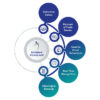
A recognised staff member is more likely to recognise and support their peers
Supported teams communicate better and collaborate more effectively
Stronger teamwork leads to safer, more consistent patient care
Positive care environments improve patient experience and trust
It’s a ripple effect, starting with a simple act of appreciation and extending across the entire hospital.
Small, consistent moments of recognition often have a greater impact than occasional large gestures, especially in fast-paced clinical environments.
Recognition Across the Entire Workforce
Recognition in hospitals must extend beyond frontline clinical roles.
Support staff, administration teams, cleaners, porters, and allied health professionals all play critical roles in patient outcomes. When recognition is inclusive and visible across the organisation, it strengthens the sense of shared purpose.
Equally, recognising behaviours, not just outcomes, is key. In healthcare, teamwork, compassion, resilience, and adherence to protocols are just as important as clinical results.
Celebrating these consistently helps reinforce the culture hospitals are striving to build.
The Broader Benefits of a Recognition Culture
Hospitals that embed consistent recognition see benefits that go far beyond morale.
Staff who feel valued are more likely to stay, not just because of job security, but because of a strong sense of purpose and connection to their organisation.
Recognition also supports patient safety. Engaged teams communicate more effectively, are more attentive, and are more willing to speak up, critical factors in reducing errors and improving outcomes.
Workplace culture improves as well. Recognition fosters respect and collaboration, breaking down silos between departments and strengthening multidisciplinary care.
There is also a lift in discretionary effort. When people feel appreciated, they are more willing to go above and beyond, whether that’s supporting colleagues, improving processes, or spending extra time with patients.
Over time, this enhances a hospital’s reputation. Positive workplace cultures attract and retain talent, reduce reliance on agency staff, and contribute to better patient satisfaction scores.
Perhaps most importantly, recognition is one of the few high-impact, low-cost initiatives available. While budgets in healthcare are tightly controlled, appreciation remains accessible, and powerful.
This is where structured, consistent recognition becomes critical, and where platforms such as Brownie Points Add Value
Platforms like Brownie Points help hospitals move from ad-hoc appreciation to a scalable, visible, and inclusive recognition culture.
They enable:
Real-time recognition across shifts, departments, and locations
Peer-to-peer acknowledgment, not just top-down praise
Visibility of contributions that might otherwise go unnoticed
Alignment to organisational values, reinforcing desired behaviours
Data insights to identify engagement gaps across teams
In environments where time is limited and pressure is constant, making recognition easy, consistent, and measurable is key.
Importantly, it ensures that recognition reaches everyone, not just those in the spotlight.
Don’t Wait for the Breaking Point
The risk for hospitals isn’t just losing staff, it’s losing their engagement long before they leave.
And when that happens, patients feel it.
High retention may look positive on paper, but if it’s masking burnout or disengagement, it creates long-term risk, whether through patient experience, safety outcomes, or eventual workforce attrition.
Invest in People, Strengthen Care
Hospitals have a profound responsibility, not just to treat, but to care.
That starts with people who feel valued and supported.
Recognition is one of the simplest, most effective ways to achieve that.
In healthcare, the ripple effect is real. When you invest in your people, you don’t just improve engagement, you strengthen teams, enhance patient care, and build more resilient organisations for the future.
If you want to learn more, email us at info@browniepoints.com.au for a no obligation discussion on how we can help you maximise the investment in your people.