
The High Cost of Employee Turnover in the Care Sector
Aged care, disability, NDIS, health and not-for-profit organisations across Australia are facing an ongoing workforce crisis.
While attracting employees remains a challenge, retaining experienced staff has become the bigger issue.
High employee turnover impacts far more than recruitment budgets. It affects service quality, team morale, productivity, continuity of care, employee wellbeing and organisational performance.
For many providers, staff turnover has become one of the largest hidden costs in the business.
The True Financial Cost of Employee Turnover
One aged care provider we worked with employed approximately 1,000 staff and was experiencing an annual employee turnover rate of 20%.
Using Gallup’s widely accepted estimate that replacing an employee can cost up to 150% of their annual salary, staff turnover was costing the organisation close to $10 million per year.
These costs included:
- Recruitment and advertising
- Onboarding and training
- Lost productivity
- Management time
- Overtime and agency staff
- Reduced continuity of care
Employee turnover was having a significant impact on both financial performance and workforce stability.
How Employee Recognition Reduced Staff Turnover by 50%
The organisation implemented Brownie Points, an employee recognition and engagement platform designed to strengthen workplace culture and improve staff retention.
Within 12 months:
- Employee turnover reduced from 20% to 10%
- Estimated turnover costs reduced from $10 million to $5 million annually
- The organisation achieved an estimated annual saving of $5 million
The results demonstrated the direct relationship between employee recognition, employee engagement and workforce retention.
Why Employee Recognition Improves Retention
The success of the program was not driven by higher salaries or costly recruitment initiatives.
Instead, it focused on creating a culture of appreciation through real-time recognition.
Staff, managers, residents, patients and families were able to provide positive feedback and recognise contributions as they occurred.
The program reinforced organisational values, highlighted desired behaviours and made recognition visible across the organisation.
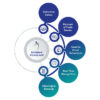
As a result, employees consistently felt:
- Valued
- Appreciated
- Respected
- Included
These four factors are critical drivers of employee engagement and long-term retention.
The Link Between Employee Engagement and Organisational Performance
When employees feel recognised and appreciated, organisations typically experience measurable improvements across multiple areas.
Benefits include:
- Higher employee retention
- Reduced staff burnout
- Lower absenteeism
- Increased productivity
- Improved teamwork and collaboration
- Better resident, patient and client experiences
- Stronger organisational culture
For aged care, health, disability and NDIS providers, these outcomes directly contribute to improved service delivery and financial performance.
Recognition Programs Deliver Measurable Return on Investment
Many organisations still view employee recognition as an HR initiative.
Leading organisations view it differently.
Recognition is a strategic business tool that helps address some of the sector’s biggest challenges, including:
- Workforce shortages
- Employee burnout
- Rising labour costs
- Skills shortages
- Recruitment challenges
- Staff retention
Every percentage point reduction in employee turnover represents substantial savings in recruitment, onboarding, training and lost productivity.
Building a Sustainable Workforce Through Recognition
Organisations that successfully retain talent create cultures where people genuinely feel recognised for the difference they make every day.
In an increasingly competitive labour market, employee recognition is no longer a “nice to have”.
It is a critical investment in:
- Workforce stability
- Employee wellbeing
- Service quality
- Organisational culture
- Financial sustainability
Recognition is not a cost.
It is an investment that delivers measurable returns.
What would a 10% reduction in employee turnover be worth to your organisation?
We would love to hear how your organisation is addressing employee engagement, staff retention and workforce challenges.